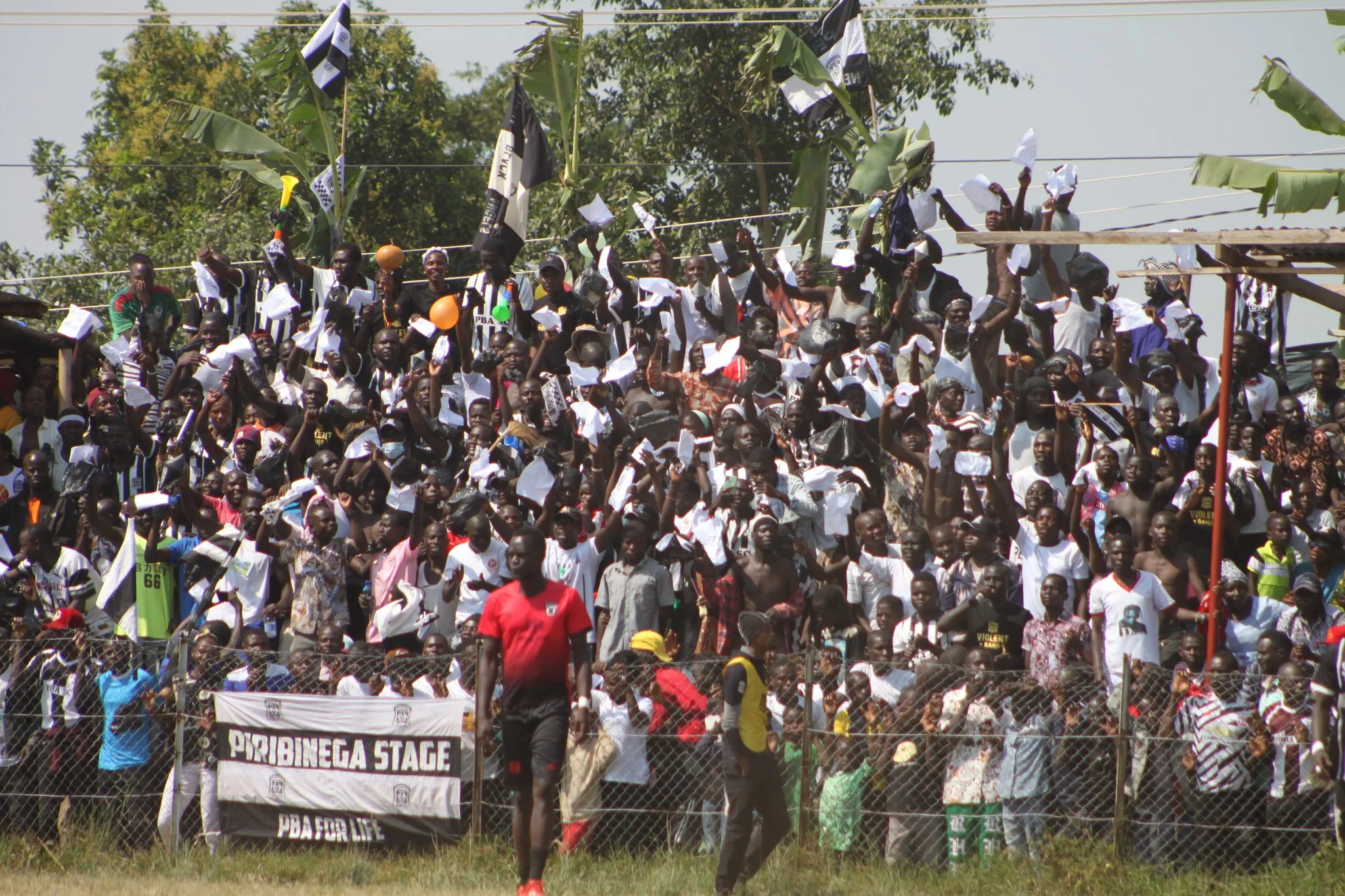

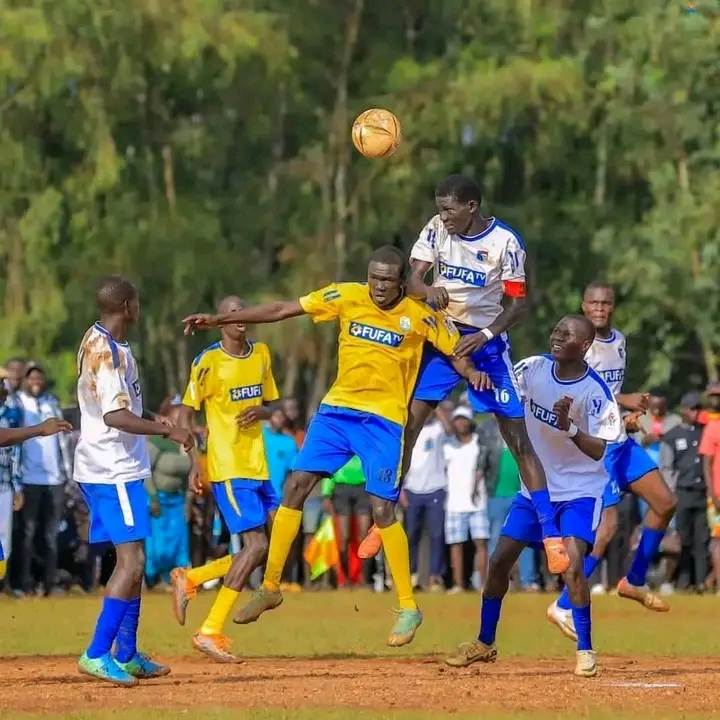
The curtains have fallen on the 2026 USSSA Boys Football Championship held in Lira, with Amus College School emerging as deserved champions after a dominant campaign that showcased tactical discipline, squad depth, and elite preparation.
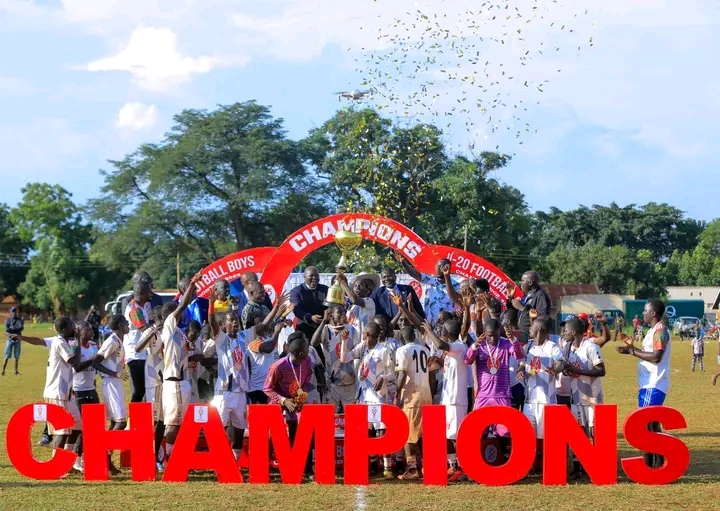
However, for West Nile football lovers, the tournament ended in disappointment and reflection.
The region was represented by Mvara Secondary School, Idiwa Parents Secondary School, and Aringa Secondary School in the U20 boys football category, but none managed to leave a lasting mark on the competition.
Both Idiwa Parents SS and Aringa SS failed to register a single victory throughout the tournament, while Mvara SS — arguably the region’s most experienced school at national level — finished 21st after being knocked out in the Round of 32.
For many fans across West Nile, the outcome was painful but not surprising.
Over the last decade, Mvara SS has consistently qualified for the national championship, proving its dominance within the region. Yet the story at national level has remained almost the same season after season: qualification followed by an early exit.
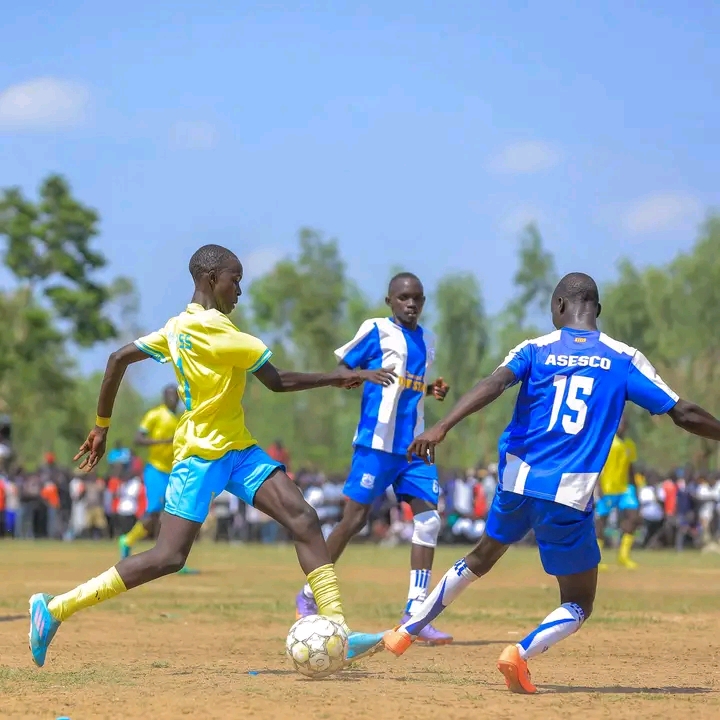
The recurring struggles have now raised difficult but necessary questions about the state of school football in West Nile.
The Gap Is No Longer About Talent
One thing remains clear: West Nile is not short of football talent.
The region has continuously produced gifted players who have gone on to feature in major Ugandan clubs and competitions. The real problem appears to lie in preparation, exposure, investment, and long-term football structures.
Schools from regions that dominate national competitions invest heavily in youth development, modern coaching methods, scouting systems, nutrition, and competitive exposure before the tournament even begins.
Many West Nile schools, on the other hand, still rely largely on raw talent and short-term preparations.
Modern school football has evolved beyond passion alone.
What Needs to Be Done?
1. Invest in Professional Coaching
Schools must move beyond basic training sessions and prioritize qualified coaches who understand modern tactics, fitness management, and player development. Technical growth is essential if West Nile schools are to compete with Uganda’s football giants.
2. Improve Grassroots Development
Football academies and school structures need stronger connections. Young players should be introduced to organized football systems earlier so they can develop tactical understanding before reaching national competitions.
3. Increase Competitive Exposure
West Nile schools need more high-level friendly matches and invitational tournaments against strong opposition from other regions. Competing only within the region limits growth and exposes teams once they reach nationals.
4. Better Investment in Sports Programs
Successful school football programs require proper funding. Schools and stakeholders must invest in training equipment, player welfare, transport, nutrition, and medical support if they want better results.
5. Strengthen Mentality and Ambition
For years, qualification to nationals has often been celebrated as the final achievement. That mentality must change. The target should now be competing for quarterfinals, semifinals, and eventually titles.
A Wake-Up Call for West Nile Football
The 2026 championship should serve as a wake-up call rather than just another disappointing campaign.
West Nile football still possesses enormous potential, passionate supporters, and talented young players. But unless the region embraces long-term planning and serious investment in school football, the gap between West Nile and Uganda’s top-performing schools will continue to widen.
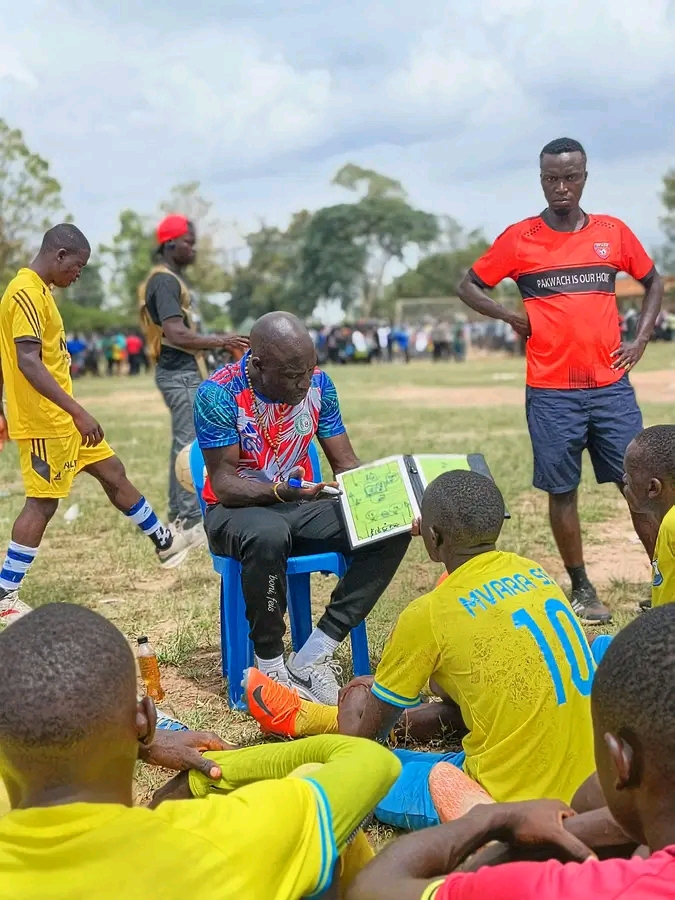
The talent is available.
What is now needed is structure, belief, and a modern football vision capable of turning West Nile schools from participants into true contenders on the national stage.