
West Nile has over the years been sidelined on the national sporting cake, despite producing some of the greatest sportsmen who have gone ahead to represent the nation with pride.
Oftentimes, when crucial events pop up in the country (like the forthcoming AFCON 2027), West Nile is always put on the sidelines; allow me to be quick to say because we are "far from the Capital," and we "justifiably" don't deserve a piece of the national cake.
We are quick to be "pushed onto the waiting list" (and of course, not forgotten) because the Olympic Gold medal Dorcus Inzikuru brought to Uganda was apparently enough—no need for more Inzikurus. We as a region "don't need" athletics infrastructure, not anytime soon anyway.
When Caesar Okhuti and Muhammad "Jagason" Shaban scored in their prime for the national team, we all celebrated as Uganda, but those still are not enough reasons to put up another Hoima City Stadium or Akii-Bua Stadium in our West Nile, where other star strikers could be nurtured for the next generation—not even that Nafian Alionzi 88th-minute save against Guinea in March 2025 will redeem us from this.
Well, here we are in August 2026—enough of the lamenting, we now have a chance at last. A golden chance!
The whole world could annually shift their focus for a second onto Uganda, and West Nile Region in particular under the spotlight.
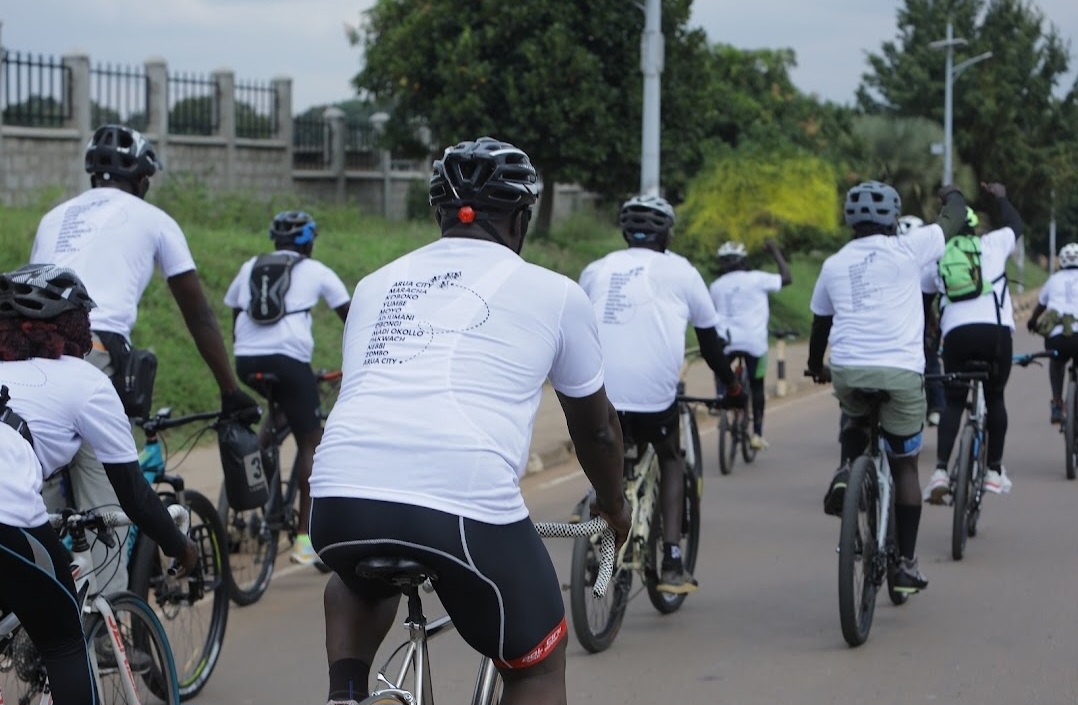
Recently, Senior Presidential Advisor on Tourism, Dr. Lilly Ajarova, launched "Race the Nile Uganda Ultra," a five-day-long cycling race stretching from Arua City through the West Nile Districts and back, covering a distance of over 800km.
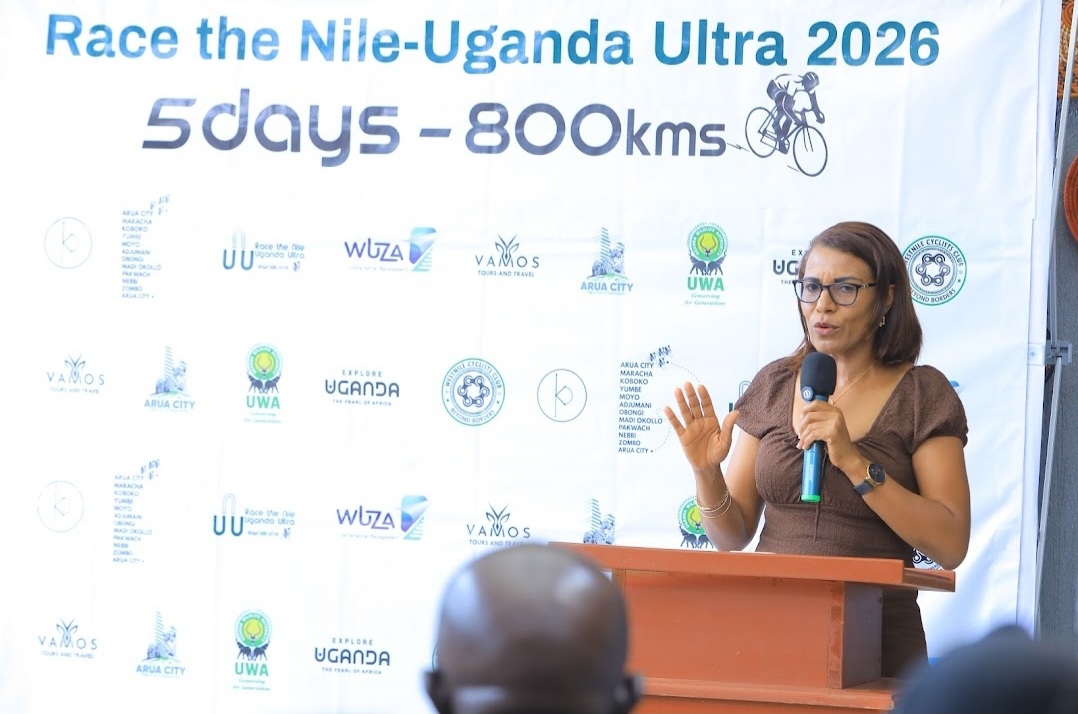
Race the Nile Uganda Ultra, which is set to happen in its first edition this November, will be an annual extreme-sports cycling competition, similar to flagship three-week Tour de France, with one of the main emphases being on putting the beauty of the culture, wildlife and entertainment of West Nile onto the global scene.
"This (Race the Nile Uganda Ultra) initiative you have brought is going to turn things around, provided we change our attitude."
— Prof. Simon Anguma Katrini, Vice Chancellor Muni University.
We could have missed out on hosting AFCON, or something like the Mt Rwenzori Marathon, or even the Gulu City Marathon, but here we are—presented with something new, unique and involving us, the local communities.
Do we still need to keep complaining as we wait for Olympic-grade athletic tracks to be built, or can we use this Race the Nile Uganda Ultra as a tool to show the nation and the world what we are made of?—"Uganda's best-kept secret," as Dr Ajarova puts it, and truly we are!
We don't need a stadium that will in four years be unrecognizable. Honestly, if we can pick a leaf from Cameroon, whose Olembe Stadium—built to host the AFCON 2021 final (played in 2022)—has since fallen into disrepair, we'd know better. Billions buried, because the costs of maintenance are high. And I, for one, can't wrap my head around us managing just a stadium or two at peak condition when we have already failed to manage our flagship football clubs.
Much as we could have done better in other areas of sports, Race the Nile Uganda Ultra could bring in a new perspective.
We don't need the heaviest investments (as directly opposed to other sports) immediately; we just need to give in our best efforts to make the experience memorable, purely about our West nile heritage and lifestyle, worthy of attracting tourists to our region who have, until now, been a myth.
We have Ajai Wildlife Reserve, which, if only marketed well, with its unique species of animals—two different types of giraffes and zebras that cannot be found in Queen Elizabeth National Park could be a very big tourist destination. Can't we show these to the world through the race?
Recently, I was scrolling through my TikTok and I landed on a beautiful sound, and the next thing I knew, I was watching how people were using it.
One thing that mesmerized me was a video with that sound: a clip from the third round of the 2026 FIA World Rally Championship, held in the Great Rift Valley around Lake Naivasha, Kenya, where drivers battled wild animals and the unforgiving terrain. I watched this video over and over again—wildlife crossing a path, and the driver slowing down just to allow the zebras to cross.
These are unique experiences, and they're likely to happen here in West Nile too, but with bikes. We could use the race to market our wildlife.
Well, I know of two or three people who would still ask, "How do I benefit from wildlife?" I hope that's not you.
Prof. Simon Anguma Katrini, the Vice Chancellor of Muni University, speaking at the launch of Race the Nile Uganda Ultra, put out a statement we should all receive without offence.
He said, "This initiative you (the organizers) have brought is going to turn things around, provided we (West Nilers) change our attitude."
"Attitude is what makes us poor. There is no way these bicycles will go to Yumbe without spokes breaking, and that will be an opportunity for our bicycle repairers to profit," Prof. Anguma added.
Sincerely, do we still need rocket science to now believe this Race the Nile Uganda Ultra comes with so many direct money-making opportunities? I guess not, unless you have a vety concentrated personal bias.
These participants have to survive on their own, with the organizers confirming that no guest houses, food or expert services have been arranged for them throughout the 800km—they have to check into our local guest houses, eat our local food, and rely on us, the local communities, for survival throughout the five days of the race.
This is an opportunity that only calls for you and me to position ourselves, our services and our skills in the right place.
We need to embrace this, make it our own; you see how the Tour de France will never depart our minds when we talk about bicycle racing? That is exactly how Race the Nile Uganda Ultra is our chapter to make, and if we treat it right—the world will know West Nile exists and is worth a visit every November because of this baby!
We can either embrace and together build Race the Nile Uganda Ultra as our flagship, or keep lamenting that we are not considered part of Uganda!
Let me close this again by requoting the same statement.
"This initiative you have brought is going to turn things around, provided we change our attitude."—Prof. Simon Anguma Katrini.
Let it sink in!