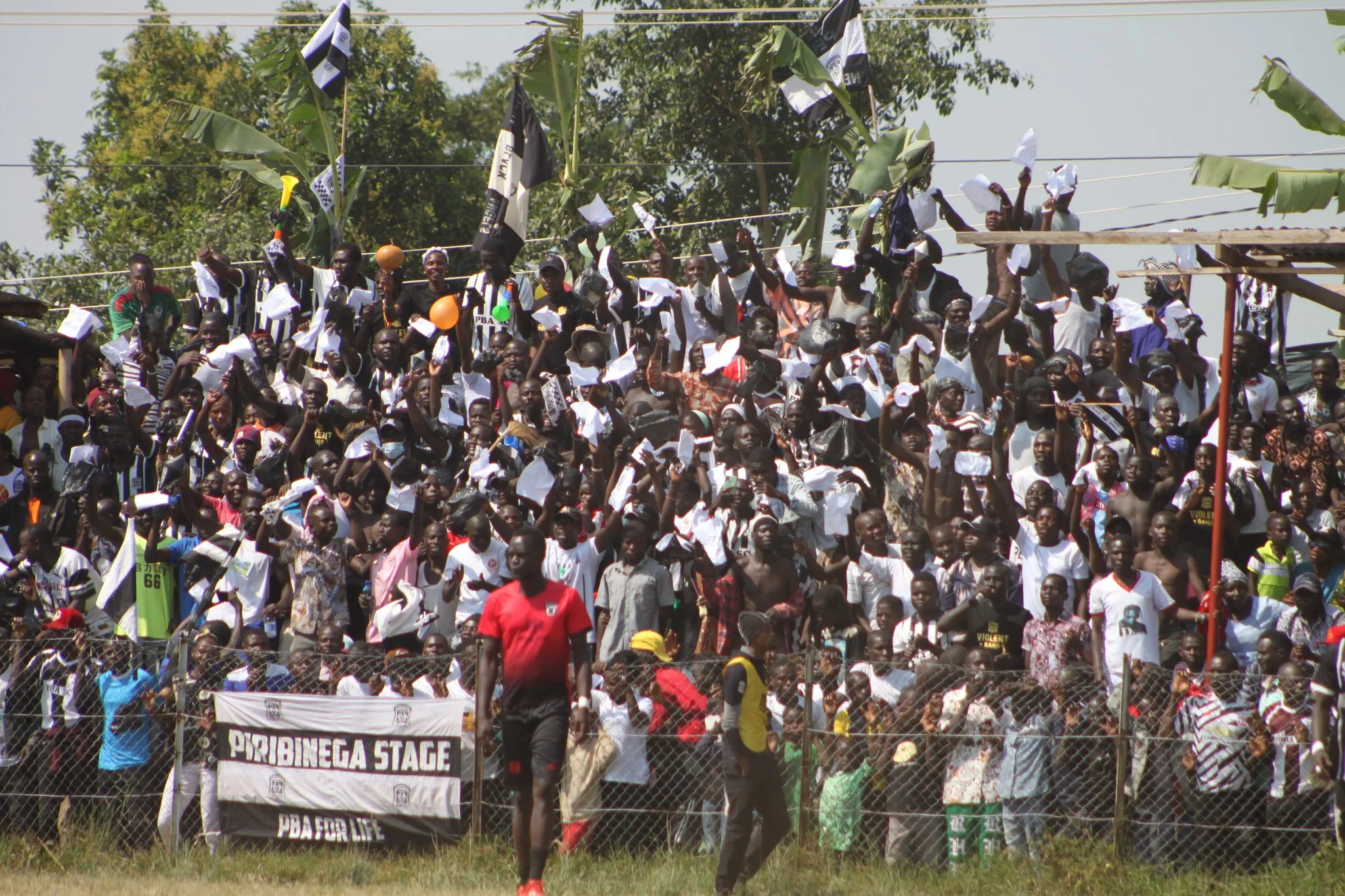

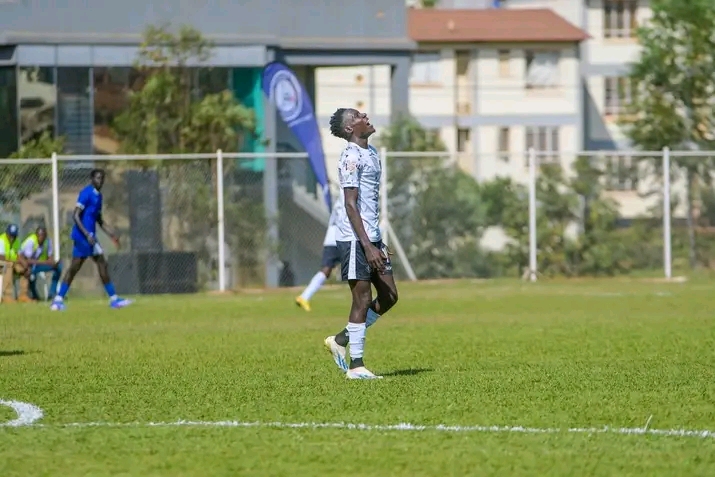
Just a few seasons ago, West Nile proudly flew its flag in Uganda's top flight through clubs such as Calvary FC, Onduparaka FC, and Paidha Black Angels FC. Today, the region finds itself without a single representative in the 2026/27 StarTimes Uganda Premier League. The relegation of Calvary FC, the survival battle of Onduparaka, and the drop of Nebbi Central have exposed deeper structural problems that must be addressed if West Nile football is to reclaim its place among Uganda's elite.
For many years, West Nile has been one of Uganda's most passionate football regions. The rise of Onduparaka FC transformed Arua into a football city, while Paidha Black Angels and later Calvary FC carried the hopes of thousands across the region.
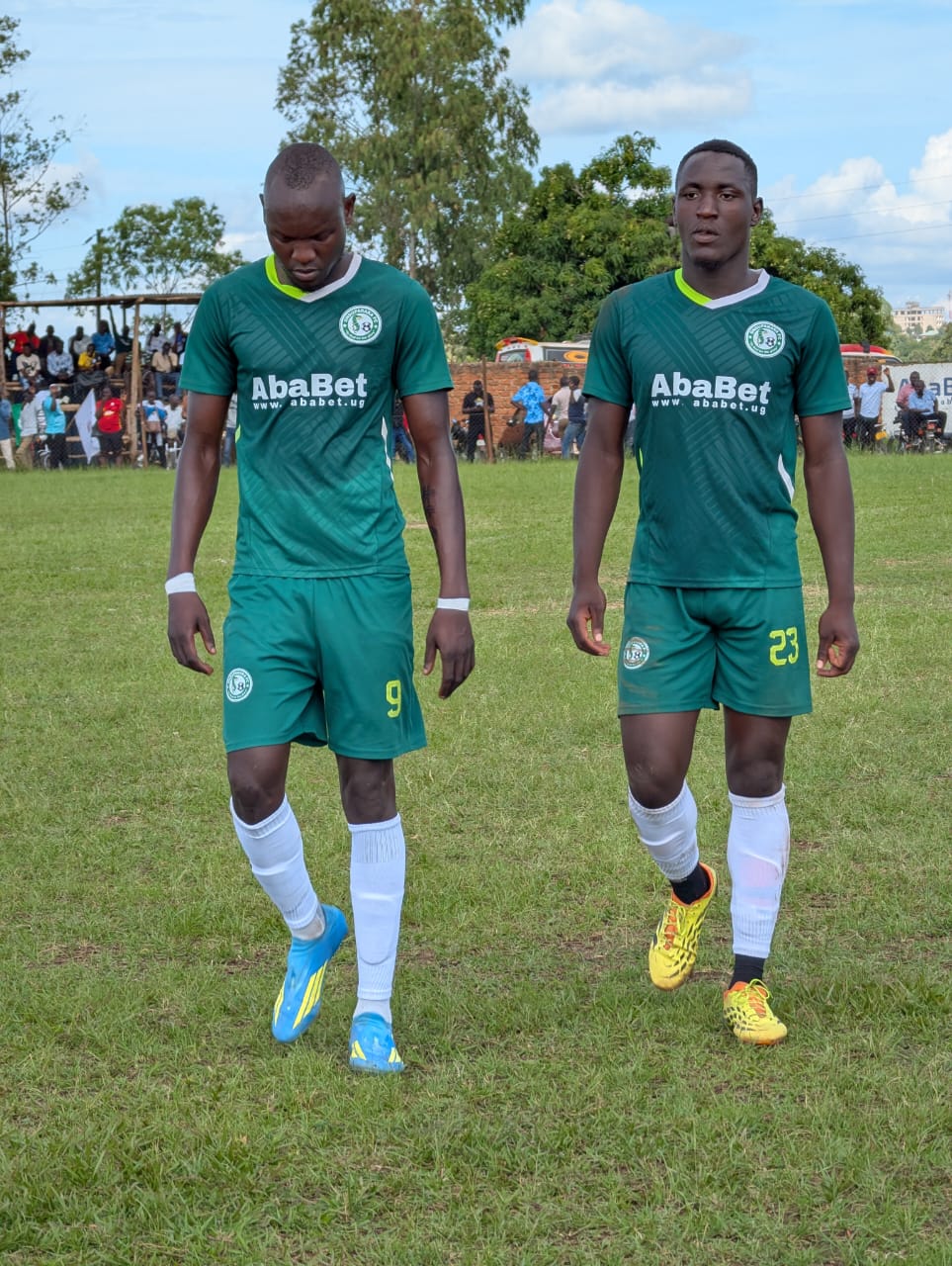
However, the 2025/26 season marked a painful turning point. Calvary FC, which had earned promotion to the Uganda Premier League just a year earlier, suffered a disastrous campaign and was relegated after finishing 15th with only 21 points from 30 matches.The Yumbe-based side managed just four victories all season, scoring only 14 goals while conceding 39. Their goal difference of -25 reflected a team that struggled both in attack and defense.
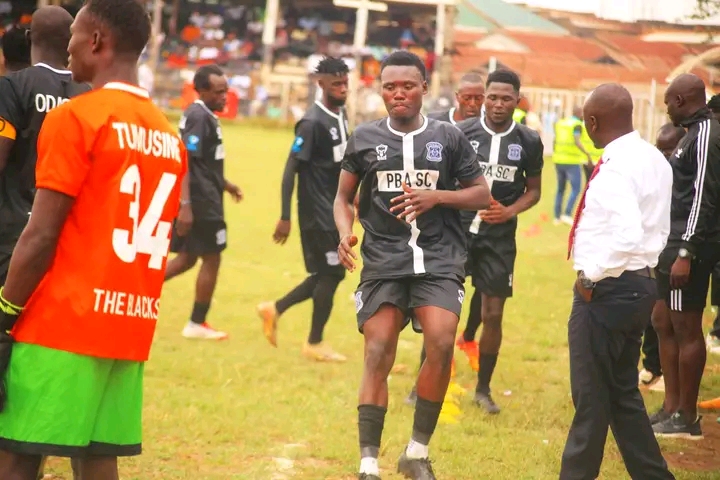
In the FUFA Big League, West Nile entered the season with three representatives: Onduparaka FC, Paidha Black Angels FC, and Nebbi Central FC. Yet none managed to secure promotion. Onduparaka survived relegation on the final day, Paidha Black Angels fell short in the promotion race despite a promising campaign, and Nebbi Central suffered relegation after finishing among the bottom sides.
The result is historic for the wrong reasons: West Nile will have no club in the 2026/27 StarTimes Uganda Premier League.
What Went Wrong?
Poor Squad Depth and Recruitment
Many West Nile clubs have struggled to retain their best players. Talented footballers often leave for financially stable clubs elsewhere in the country. The replacements brought in have rarely matched the required quality.
Financial Limitations
Football is becoming increasingly competitive and expensive. Clubs need resources for player welfare, transport, medical care, training facilities, and administration. Most West Nile clubs continue to operate on limited budgets compared to rivals from central and western Uganda.
Weak Youth Development Structures.
The region produces talent, but there is little coordination in identifying, nurturing, and retaining young players. As a result, many promising footballers either leave early or fail to develop fully.

Infrastructure Challenges
Several clubs have faced stadium and licensing challenges in recent seasons. Limited access to modern training grounds and match facilities affects both player development and club professionalism.
Lack of Long-Term Planning
Many clubs focus on surviving each season rather than building sustainable football projects. Successful clubs across Uganda invest in technical structures, youth academies, and Strategic Planning Over Several Years
What Needs to Be Done?
The solution will not come overnight, but it is achievable.
First, West Nile clubs must strengthen grassroots football and academy systems. Every district should have clear pathways from school football to regional and national competition.
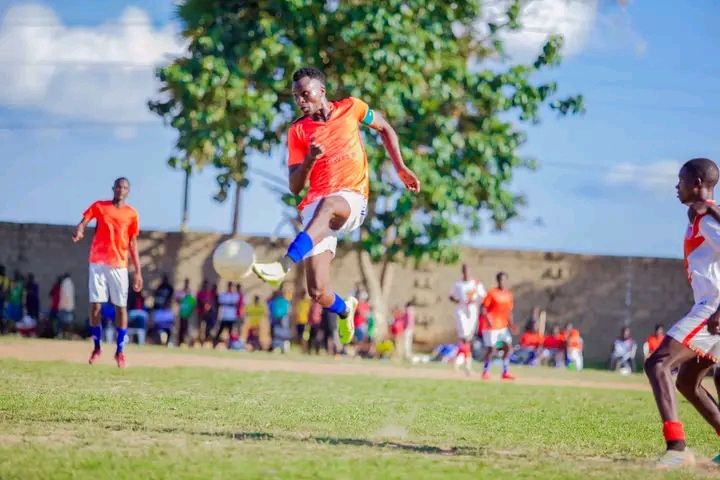
Second, local leaders and business communities must become more involved. Football can be a powerful economic and social tool when properly supported.
Third, clubs need to professionalize administration. Transparent management, better marketing, and stronger sponsorship strategies can attract investors and fans.
Fourth, collaboration among West Nile clubs is essential. Instead of competing for limited resources, clubs should work together to develop regional football infrastructure and talent.
A Region Too Big to Be Missing
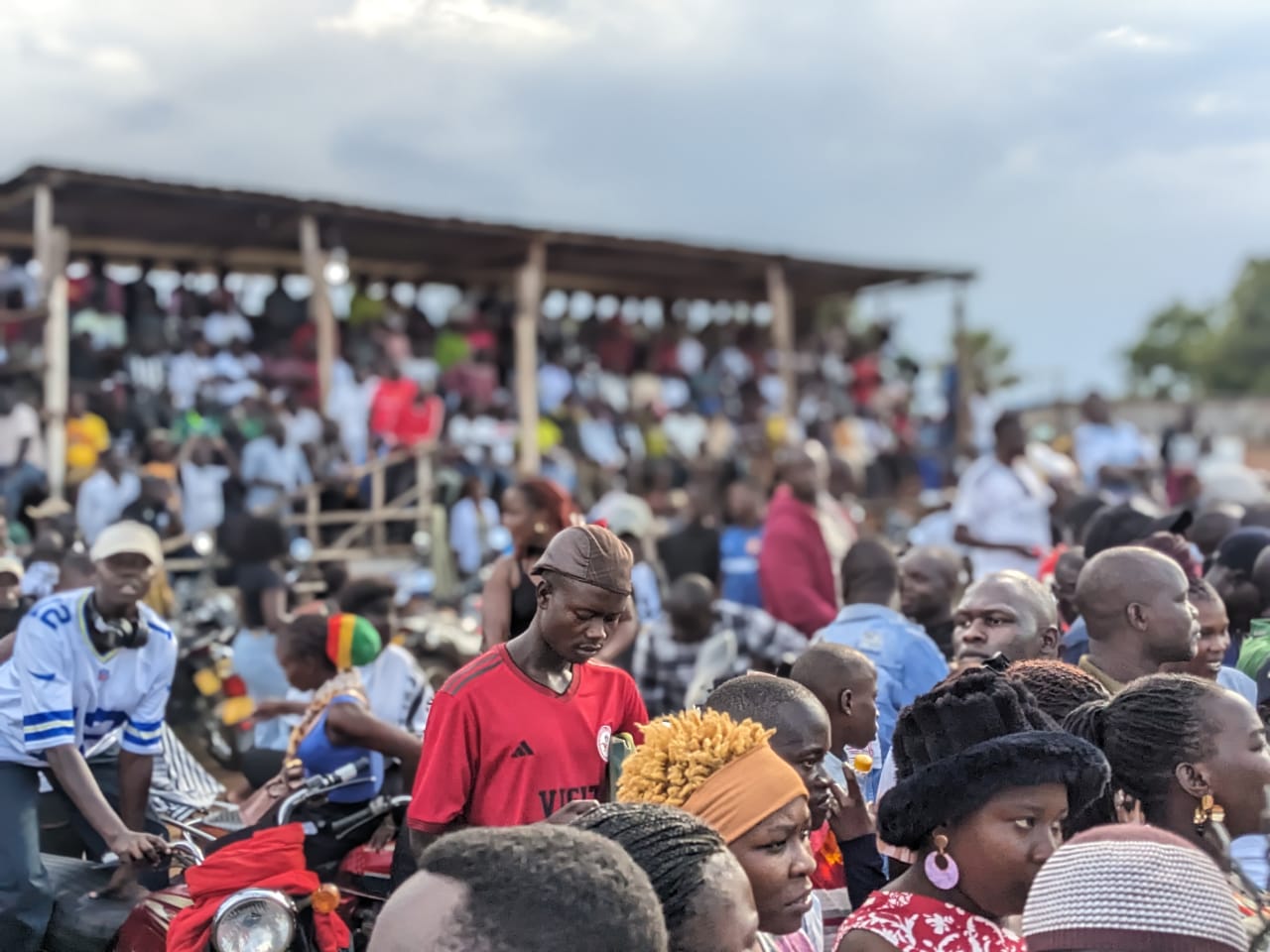
West Nile remains one of Uganda's richest football regions in terms of passion, talent, and support. The crowds that once filled Green Light Stadium and Bar Okoro Stadium proved that football is deeply rooted in the region's identity.
The absence of a West Nile club in the 2026/27 Uganda Premier League should serve as a wake-up call rather than a permanent decline. If lessons are learned from the disappointments of Calvary FC, Onduparaka FC, and Nebbi Central FC, the region can rebuild stronger and return to where many believe it belongs — among Uganda's football elite.
For now, however, West Nile football stands at a crossroads, facing its most challenging moment in recent history.