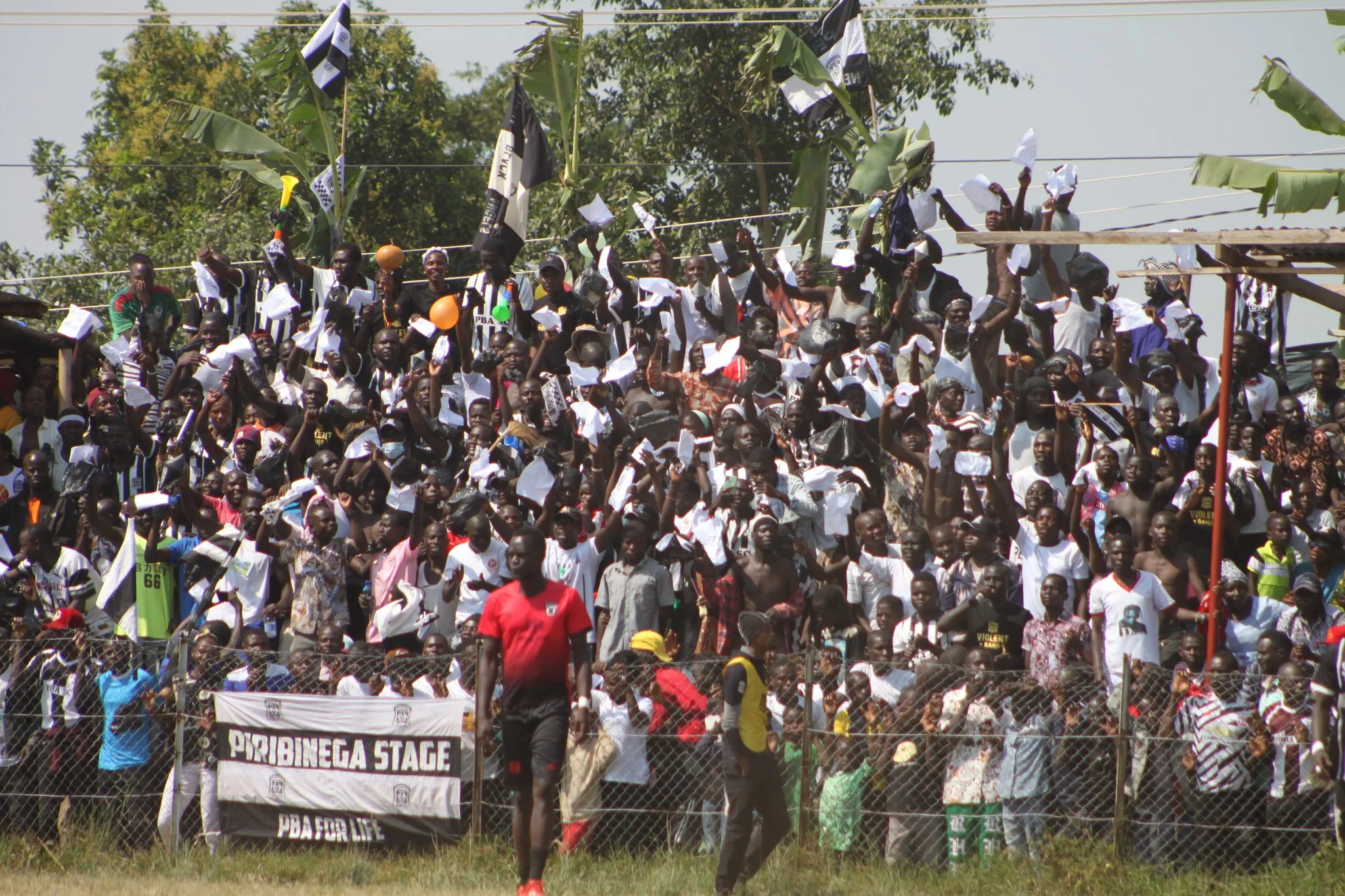

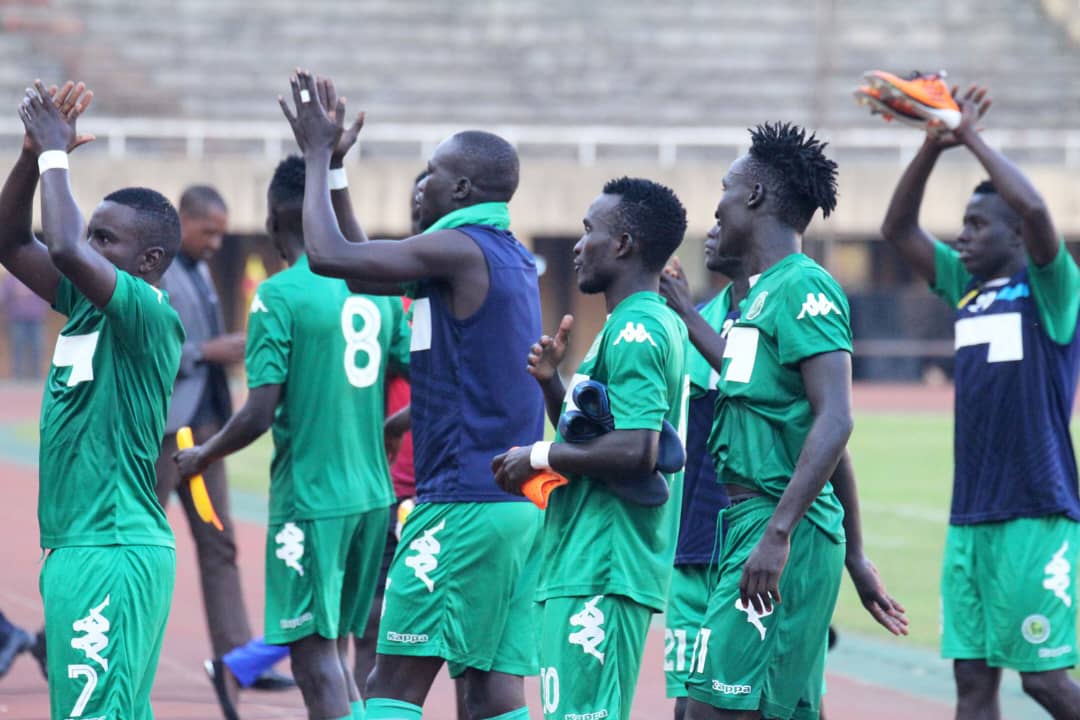
For years, the West Nile region was the "Brazil of Uganda." From the legendary exploits of Ceasar Okhuti to the meteoric rise of Muhammad Shaban, the region’s raw talent and physical appearances were undisputed. The Green Light Stadium in Arua wasn't just a pitch, it was a fortress where giants fell.
However, the narrative has shifted. Today, many West Nile stars find themselves out of the country’s biggest clubs like KCCA FC, Vipers SC, and SC Villa or they cross borders to leagues in South Sudan and DR Congo. The "West Nile Boys" are no longer the default choice for the nation's elite.

(Good old days in the West Nile)
What went wrong, and how can the region reclaim its spot at the top?
While the talent remains undeniable, several systemic and behavioral issues have created a lot of issues for players from the region.
The Trap of "Short-Termism" (Money Over Growth)
There is a growing perception that many West Nile players are purely money-oriented. While financial stability is vital especially given that many Ugandan clubs struggle to pay salaries, the rush for immediate "sign-on fees" often leads players to choose obscure, high-paying leagues over the career-building exposure in Uganda . This makes big clubs hesitant to invest in them for the long term.
The Indiscipline Narrative
Football insiders often state that lack of professional guidance is a major hurdle. When players feel bigger than the club or struggle to adapt to tactical instructions from outside coaches, it leads to friction.
The Home Comfort Curse also follows some players because they thrive in Arua or Nebbi where they are kings but struggle with the discipline and also Instances of players walking out on contracts or refusing to train over disputes have branded the region's talent as difficult to manage.
The Waiting to be Found Mindset
The era of scouts trekking to every corner of the country is fading and has a limited age of scouting. Modern football requires proactive branding. Some players still hold the outdated belief that their talent alone will force big clubs to come knocking. In a digital age where players from Masaka or Jinja have highlight reels and active agents, the silent talent of West Nile will still be overlooked.
However, the decline is not permanent, the solutions require shifts from raw talent to professional excellence.
The Challenges have possible solutions.
Indiscipline has to be cleared with Mandatory Mentorship by the Regional legends like Ceasar Okhuti, Rashid Toha, Geriga Atendele, Wahab Gadaffi ,Rogers Omedwa, Nafian Alionzi ,Ronald Orombi, among others through running transition camps for young players to prepare them for professional conduct.
Financial problems can be cleared by Career Planning for the players, they need registered intermediaries (agents) who prioritize career longevity over a one-time sign-on fee in a dead-end league.
Visibility can be pushed by West Nile influencers ,friends to the players ,engaging the regional digital hubs, and regional media houses just to keep archive of matches that are filmed and player data storage for international and local scouts to access. There's a lot of fine players who have no hype but are actually game changers ,West Nilers need to team up as one to push their own.
In Kampala Football fans tend to use social media platforms like Twitter ,Facebook ,Tiktok to voice and give players spotlight for example the 27 gang for Usama Arafat , team Yunus sentamu , the team Allan Okello, Team Joseph Seremba among others.
The truth is that West Nile region doesn't need to find new talent because it has plenty ,the only thing it needs is to package those talents well.
The "West Nile Boy" of the future must be as famous for his tactical discipline and professional loyalty as he is for his thunderous strikes and tireless engine.
If the region can bridge the gap between street smarts and professional standards, the big clubs won't just look for them, they will compete for them.